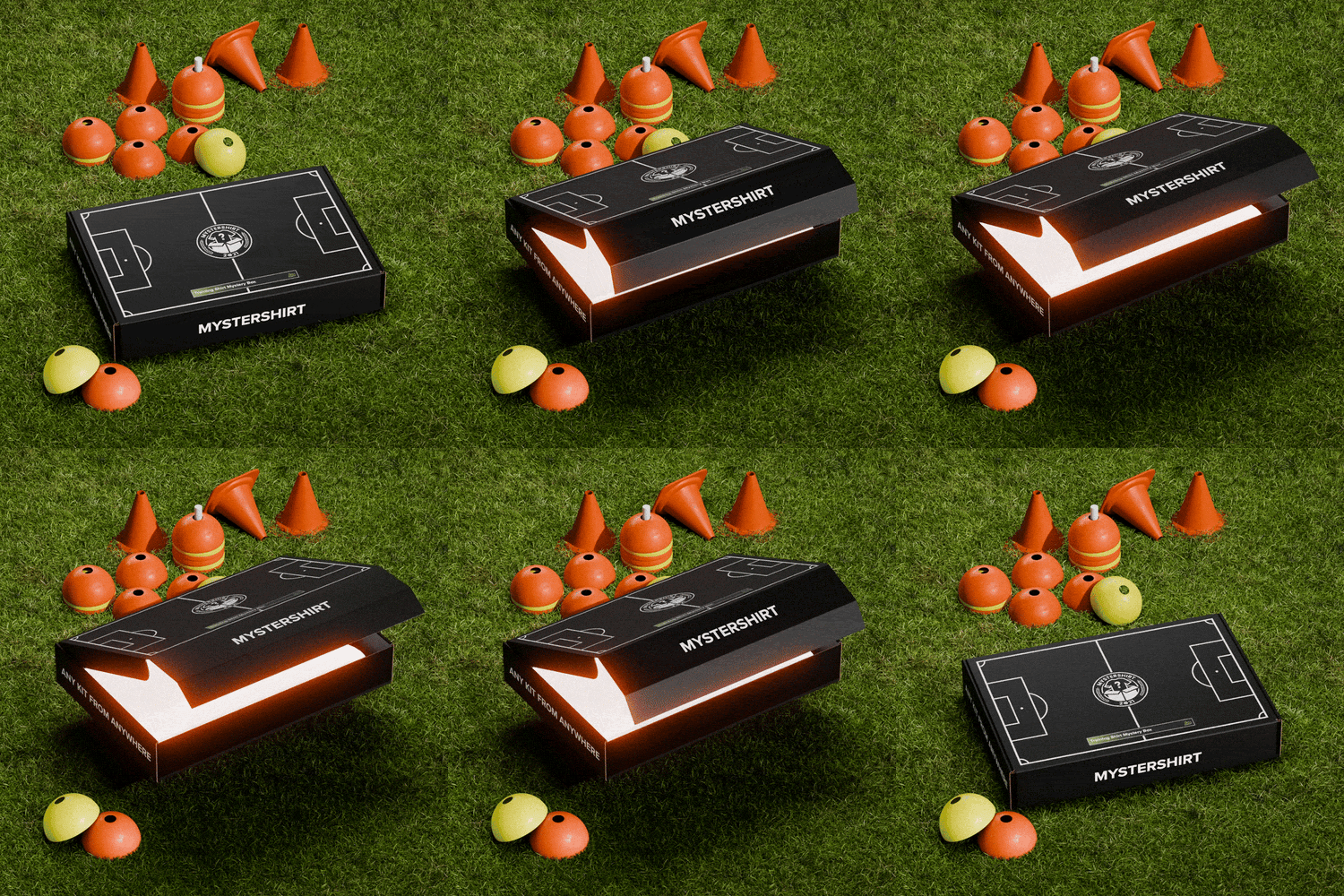
You've just opened a mystery jersey box, pulled out a shirt you'd never have bought for yourself, and had the same reaction every collector knows. First comes the buzz. Then comes the primary question. What do I wear this with tomorrow, not just on matchday?
That's where most jersey styling advice falls apart. It either stays stuck in full-kit territory or swings too hard into fashion theatre. Neither helps when you want a complete outfit that works for a pub, a coffee run, a casual office, a date, or a weekend away, while still respecting the shirt as the hero piece.
A football jersey can absolutely live off the pitch. It just needs the right system around it. Good bottoms calm it down. Good outerwear gives it context. Good shoes stop it from looking like you forgot to change after five-a-side. Once you understand that, a shirt stops being a novelty item and starts becoming one of the most versatile pieces in your wardrobe.
Table of Contents
- Beyond the Pitch Why Your Jersey Deserves a Complete Outfit
- The Foundation Nailing the Jersey Fit and Color
- Building Your Look from the Bottoms Up
- Mastering Outerwear for Year-Round Style
- The Finishing Touches Shoes and Accessories
- Outfit Recipes for Any Occasion
-
Frequently Asked Jersey Styling Questions
- Can I wear a bold goalkeeper jersey casually
- Do long-sleeve jerseys work better than short-sleeve ones off the pitch
- Should I tuck in a football jersey
- How do I stop a jersey from feeling like costume
- What's the smartest way to coordinate jerseys for a group event
- How should I care for an authentic jersey if I wear it regularly
Beyond the Pitch Why Your Jersey Deserves a Complete Outfit
A jersey gets wasted when it lives in a drawer waiting for the perfect fixture. Many individuals already own more clothes than they use well. The average person's wardrobe contains 148 items, yet each is worn only seven times on average, according to Wunderlabel's fashion statistics roundup. For collectors, that's a useful warning. A great shirt should earn regular wear, not just collector status.

The difference between an underused jersey and a favorite jersey usually isn't the badge, the sponsor, or the era. It's whether you can build three or four reliable outfits around it without thinking too hard. That is the ultimate test. If you can wear a shirt with straight-leg denim on Saturday, chinos on Sunday, and under a bomber on Wednesday, it belongs in rotation.
Why collectors should think in outfits, not single pieces
Collectors often buy emotionally. That part is fine. Football shirts are memory, identity, and design all at once.
But wearing them well takes discipline:
- Treat the jersey as the focal point. Let one shirt do the talking.
- Keep the rest of the look grounded. Clean shapes and simpler colors make the badge look intentional.
- Build repeatable combinations. If a shirt only works with one pair of shorts, it's costume territory.
Practical rule: If the shirt is loud, everything around it should get quieter.
Streetwear has already shown how this works. Oversized silhouettes, cleaner sneakers, layered jewelry, and sport-meets-tailoring combinations keep showing up because they make statement pieces wearable. If you want a broader feel for where that crossover is heading, VVS Jewelry's 2024 fashion trends is worth a skim for the way streetwear and sharper pieces now mix without feeling forced.
There's also a practical collector angle. If you care about value, condition, and long-term wear, you should care how shirts fit into real life. That's one reason broad style advice and collector culture should sit together. A good example of that overlap appears in this look at sports gear and swag reviews, where fan items are judged not just by novelty but by how well they hold up as pieces you'll keep reaching for.
The shift that makes a jersey look modern
The jersey can't be the whole personality of the outfit. Once you stop asking, “How do I show I'm a fan?” and start asking, “How do I style this shirt like any other statement top?”, your outfits get better fast.
That's the shift. Not less football. Better dressing.
The Foundation Nailing the Jersey Fit and Color
The best complete outfit starts before you pick trousers or shoes. It starts with the shirt itself. If the fit is wrong, the rest of the outfit spends the day trying to compensate.
Modern player-issue shirts and older fan or retro shirts don't behave the same way. A player cut often sits closer to the chest, sleeves, and waist. That can look sharp, but only if the rest of your outfit has some structure. A relaxed retro shirt gives you more room to style and usually works better for everyday wear because it drapes like a casual top rather than compressed sportswear.
Fit decides the mood
A slim technical shirt pushes the outfit toward sport. A roomier retro shirt can move toward streetwear, casual, or even a slightly smarter look under a jacket.
Use this as a quick guide:
| Jersey fit | Best use | What to avoid |
|---|---|---|
| Close athletic fit | Matchday, summer casual, layered under open jacket | Baggy trousers plus bulky shoes |
| Standard fan fit | Everyday wear, denim, chinos, easy layering | Over-layering with thick hoodies |
| Boxy retro fit | Streetwear, vintage styling, relaxed silhouettes | Skinny jeans that fight the proportions |
If you're not sure whether a shirt is supposed to sit neat or loose, check the cut before forcing the styling. The same badge can feel completely different depending on silhouette.
A jersey should skim the body or hang cleanly. It shouldn't cling in the wrong places, and it shouldn't drown your frame.
There's also a quality angle here. If you're building outfits around football shirts, start with real pieces, not questionable replicas that lose shape fast. This guide on how to check if your football shirt is authentic is useful because authenticity affects more than collector value. Fabric, sponsor finish, crest detail, and overall structure all change how a shirt wears in a complete outfit.
Color gives you the roadmap
Color is the second decision. Bold home kits do one job. Soft away kits and darker third shirts do another.
Consider it this way:
- Bright or multicolor shirts need restraint underneath. Black, stone, olive, navy, or washed denim keep them grounded.
- Monochrome shirts can handle more texture in the rest of the outfit, like twill chinos or a suede-effect jacket.
- White or cream shirts feel cleaner and slightly dressier, especially with darker trousers.
- Goalkeeper colors should be treated like statement fashion tops. Pair them with one supporting color, not three competing ones.
Don't fight the shirt's identity
Some jerseys are built for subtle styling. Others are pure chaos, in a good way. Don't try to make a loud nineties print look minimal. Instead, give it a calm frame.
A simple formula works well. One statement shirt, one neutral bottom, one clean shoe, one outer layer if needed. Once those pieces agree with each other, the jersey stops looking like memorabilia and starts reading as style.
Building Your Look from the Bottoms Up
Most jersey outfits succeed or fail at trouser level. Get the bottoms wrong and the shirt feels accidental. Get them right and even a loud sponsor print suddenly looks composed.
The safest move is simple. Let the jersey handle the energy while the lower half keeps order.

Denim when you want zero fuss
Dark denim is the easiest partner for a football shirt. It tones down bright colors, works with almost every era of kit, and doesn't ask much of your footwear.
Straight-leg or slightly tapered denim usually looks strongest. Skinny jeans can make the outfit feel dated, especially with a modern shirt. Very wide denim can work with boxier retro jerseys, but only if your shoes have enough presence to balance the hem.
Best uses:
- Dark indigo denim with classic home shirts
- Black jeans with colorful nineties patterns
- Washed blue denim with white away shirts or faded retro tops
Avoid heavily distressed jeans. The shirt already has graphics, logos, and visual weight.
Chinos for a cleaner complete outfit
Chinos are where jersey styling gets interesting. They pull the outfit away from “fan on the way to the stadium” and toward “guy who knows what he's doing.”
Stone, beige, olive, and navy chinos are the strongest options. They soften the shirt without killing its personality. If you want to wear a jersey to a casual lunch, creative office, or a low-key dinner, chinos are usually the right call.
A few pairings that work:
- Red, blue, or patterned jersey with stone chinos
- White or black jersey with olive chinos
- Navy or tonal third shirt with beige chinos and loafers or leather sneakers
The cleaner the trouser line, the more deliberate the jersey looks.
Joggers and track pants when sport is the point
Joggers can work, but only if they're tidy. Think tapered leg, clean cuff, no oversized pockets, no giant branding. Once the trousers look too gym-focused, the whole outfit tips into training gear.
This is also where matching football shorts have a place. If you want an on-pitch look for summer, five-a-side, or a relaxed holiday fit, keeping the styling athletic is completely fair. Just be honest about the occasion. Full sport styling works when the day itself is casual and active. It rarely works for anything smarter.
Shorts without looking half-dressed
Shorts are harder than people think. The common mistake is pairing a serious collector shirt with generic gym shorts. That makes the jersey feel like a spare top, not the centerpiece.
Better options:
| Bottom | Works for | Style effect |
|---|---|---|
| Tailored chino shorts | Daytime social plans, travel, hot weather city wear | Clean and balanced |
| Smart drawstring shorts | Relaxed summer outfits | Casual but intentional |
| Football shorts | Matchday, active wear, beach or holiday | Athletic and authentic |
Keep the shorts above the knee or just on it. Long, floppy shorts drag the look backward.
The easiest bottom-half formula
If you're stuck, use this sequence:
- Check the shirt's loudness. Bold print or bright contrast means neutral bottoms.
- Match the occasion, not the badge. Jeans for casual, chinos for sharper, joggers for active.
- Watch the leg shape. The cleaner the break and silhouette, the more polished the complete outfit feels.
That simple. Most jersey styling problems aren't color problems. They're trouser problems.
Mastering Outerwear for Year-Round Style
A jersey on its own can look exposed. Outerwear fixes that. It gives the shirt context, adds texture, and stops the whole thing from feeling like straight sportswear.
The key is leaving enough of the jersey visible that people can read it. You want the crest, sponsor, stripes, or collar to show. If the jacket hides all of that, you may as well be wearing a tee.
Jackets that sharpen the shirt
The bomber is probably the most dependable option. It keeps the football energy intact but adds shape. A plain black, navy, or olive bomber over a jersey and clean trousers is one of the easiest ways to bring a shirt into streetwear territory.
Denim jackets do something different. They make the outfit feel more casual and more textured. This is especially good with retro shirts, embroidered crests, and older sponsors because the lived-in quality of denim matches that older feel.
Good outerwear pairings:
- Bomber jacket with a modern shirt, tapered trousers, and low-profile sneakers
- Denim jacket with a retro jersey and straight-leg jeans or chinos
- Overshirt with a neutral away shirt for a cleaner, more grown-up finish
Don't bury the shirt. Frame it.
The relaxed layer that still works
An open hoodie can work if it's plain and reasonably fitted. Grey, black, or navy zip hoodies are useful because they soften a football shirt without making the outfit sloppy. The mistake is going too thick or too oversized. Then the jersey bunches up and the torso looks heavy.
Overshirts are often better if you want something casual but less sporty. Twill, brushed cotton, or lightweight wool blends sit nicely over a shirt and make the complete outfit feel thought through. Leave them open. Buttoning them right up usually turns the jersey into dead fabric underneath.
When you want a smarter edge
Football shirts rarely belong under a full suit jacket, but there are exceptions. Unstructured construction, casual blazers, and sport coats can work with very restrained shirts and clean trousers. The trick is knowing the difference between these jacket types before you try it. This guide to suit jacket, blazer, sport coat helps clarify why some formal jackets feel too stiff while others sit comfortably with sport-led pieces.
A few styling notes help here:
- Use a simple jersey. Tonal, minimal sponsor clutter, darker colors if possible.
- Choose soft tailoring. Structured business jackets fight the shirt.
- Keep the shoe refined but not formal. Leather sneakers, loafers, or minimal derby-style options work better than dress shoes.
The result shouldn't look ironic. It should look relaxed, confident, and natural.
The Finishing Touches Shoes and Accessories
Shoes decide whether the outfit looks intentional or unfinished. Accessories decide whether it feels personal or overworked. With a football shirt, both need restraint.
The jersey is already carrying graphics, color, and identity. That means the finishing touches should support, not compete.

Shoes that almost always work
Clean white leather sneakers are the cheat code. They work with denim, chinos, joggers, and shorts. They also calm down loud shirts because they bring brightness without more visual noise.
After that, retro runners make sense with older jerseys and nineties silhouettes. Gum soles, suede panels, and slightly chunkier shapes can echo the era of the shirt in a way that feels deliberate. Minimal loafers or pared-back casual shoes can also work when the rest of the outfit leans smart.
A quick comparison helps:
| Shoe | Best with | Avoid when |
|---|---|---|
| White leather sneaker | Almost any jersey outfit | The shoe is beaten up or yellowed |
| Retro runner | Vintage shirts, relaxed denim, bombers | The outfit is trying to look sharp |
| Loafer or sleek casual leather shoe | Chinos, overshirt, smarter away shirt | The jersey is very loud or technical |
| Football boots or slides | Active settings only | You're dressing for the street |
Accessories that do their job quietly
Caps, beanies, watches, and bags work best when they repeat one note from the outfit instead of adding a new one. If the jersey is blue and white, maybe the cap is navy. If the shirt is bright, maybe the bag is black and simple. That's enough.
Useful accessories include:
- A clean cap or beanie in a coordinating neutral
- A metal or rubber-strap watch with simple lines
- A crossbody bag for travel, matchday, or city wear
- A slim chain or ring if the rest of the outfit is understated
Less is usually better. One or two supporting details beat five attention-seeking ones.
Keep the whole look maintained
A sharp complete outfit falls apart fast if the shirt is creased, the shoe is dirty, or the accessories look battered. Maintenance matters more with football gear because technical fabrics and bright finishes show wear quickly.
Even if you're styling for the street rather than the pitch, basic care habits carry over. This practical guide on how to clean your football boots in 5 simple steps is aimed at boots, but the broader lesson holds. Clean gear always looks more intentional than gear that's been left to age badly.
The finishing rule worth remembering
If someone notices your shoes and accessories before the shirt, you've overdone it. The right finishing touches don't steal focus. They make the jersey look like it belongs.
Outfit Recipes for Any Occasion
A good complete outfit needs to survive real life. It has to work when plans change, when weather shifts, and when you don't want to explain your shirt like it's a museum piece.
That's why formulas matter. They remove guesswork and help you wear more of your collection instead of saving everything for “someday.”

People are clearly looking for this kind of advice. Data shows “jersey outfit ideas” searches have spiked 45% as fans seek to integrate sports apparel into everyday life, and a 2025 report indicates jersey-wearers who layer with monochromatic bottoms see 28% higher social media engagement, as noted in this jersey outfit ideas source. The practical takeaway is simple. Cohesion wins.
If you want help experimenting before you buy anything new, tools that let you build unique clothing combinations can be handy for testing color balance and silhouette ideas around a statement shirt.
The Matchday Uniform
This is the easiest jersey outfit, but it still needs discipline.
Start with the shirt, then add tapered black or charcoal joggers, a bomber or zip hoodie if needed, and clean sneakers. If the jersey is bright, don't add a loud cap and patterned socks on top. Keep the noise in one place.
What works:
- A home shirt with black joggers
- Low-profile sneakers
- Simple cap or crossbody
- Light outerwear left open
What doesn't:
- Full training gear when you're not training
- Multiple club colors fighting each other
- Bulky layers that hide the shirt completely
This look should feel easy, not theatrical.
The Casual Weekend
Football shirts earn their keep in these moments. Coffee run, record store, lunch, market, pub garden. A jersey can fit all of that if the rest of the outfit is normal, grounded, and clean.
Use straight denim or stone chinos. Add white sneakers. If it's cooler, throw on an overshirt or denim jacket. Suddenly the football shirt stops screaming “event wear” and starts behaving like a strong graphic top.
A reliable weekend formula:
- Retro or away shirt
- Straight-leg jeans or light chinos
- White leather sneakers
- Overshirt in navy, olive, or beige
The best weekend jersey outfit is the one that doesn't need explaining.
The Unexpected Date Night
This one makes people nervous, but it can work. You just have to choose the right shirt.
Pick a cleaner jersey. Darker third kits, tonal designs, or an older shirt with tasteful detailing work best. Pair it with trousers that have some shape, like custom-fit chinos or neat dark denim. Add loafers or clean leather sneakers and finish with a bomber or textured overshirt.
The shirt shouldn't read as novelty. It should feel like part of a well-edited look.
A few rules matter:
- Avoid very shiny technical fabrics if the date setting is more polished
- Keep the palette narrow
- Skip giant scarves, fan hats, and obvious matchday add-ons
If you feel unsure, wear the outfit around for a couple of hours before going out. Jerseys, like jackets, look better once you've settled into them.
Styling for Kids and Groups
Group styling is where many people lose control. One person wears a bright home shirt, another has clashing shorts, someone else throws on random trainers, and the photo ends up looking messy rather than coordinated.
That gap is bigger than most brands admit. A 2026 survey found 73% of fans prefer group buys for events, but 54% struggle with coordination, according to this group styling source. The issue usually isn't enthusiasm. It's the lack of a simple styling plan.
For families, friends, or teammates, use a shared base:
| Group element | Best approach |
|---|---|
| Bottoms | Keep everyone in one family of colors, like black, navy, or stone |
| Shoes | Choose clean sneakers or one broad style direction |
| Outerwear | Use similar weight and tone, not identical jackets |
| Jerseys | Let each shirt differ, but avoid total color chaos |
For kids, comfort matters most. A complete outfit should survive movement, food, weather, and a long day out. Soft joggers, easy shorts, and light layers beat anything too precious. The goal isn't mini-adult styling. It's a practical look that still feels put together in photos and in real life.
Group dressing works best when the shirts vary and the framework stays consistent. That way everyone still looks individual, but the overall look hangs together.
Frequently Asked Jersey Styling Questions
Can I wear a bold goalkeeper jersey casually
Yes, but treat it like a statement fashion piece. Keep the rest of the outfit dark or neutral, avoid technical-looking bottoms, and choose simple shoes. The louder the shirt, the calmer everything else should be.
Do long-sleeve jerseys work better than short-sleeve ones off the pitch
Often, yes. Long sleeves can look more refined because they already bring shape and presence. They pair especially well with straight denim, chinos, and simple outerwear.
Should I tuck in a football jersey
Usually, no. Most shirts look best untucked because they're designed with a straight hem and visible graphics. A slight front tuck can work with high-waisted trousers and a cleaner retro shirt, but a full tuck often looks forced.
How do I stop a jersey from feeling like costume
Strip back the rest of the outfit. No fan scarf, no flashy accessories, no overly sporty trousers unless the day is built around that. Think of the shirt as the only overt football signal.
What's the smartest way to coordinate jerseys for a group event
Start with one shared base color for trousers and keep footwear in the same lane. That matters because, as noted earlier, a 2026 survey found 73% of fans prefer group buys for events, but 54% struggle with coordination. The solution isn't identical outfits. It's one visual framework with individual shirts.
How should I care for an authentic jersey if I wear it regularly
Wash it gently, avoid rough heat, and store it properly so sponsors, namesets, and prints stay sharp. If you want a shirt to become part of a complete outfit rotation, care is part of styling. A cracked sponsor can ruin the whole look.
If you want the thrill of styling something unexpected instead of buying the same safe shirt every time, Mystershirt is built for that exact experience. Their mystery boxes make it easy to discover an authentic football shirt you wouldn't have picked for yourself, then turn it into a complete outfit that gets worn.