You've got the box on the table, the tape's already peeled at one corner, and the first instinct is to tear straight through the packaging. That moment is exactly why unboxing content works so well, especially with a mystery football jersey. A surprise shirt has built-in suspense, and when you film it properly, the reveal becomes part product review, part fan reaction, part shareable story.
That's also why the format moved from casual clips into a real marketing asset. Unboxing videos are first-person product-opening videos, so viewers aren't just watching a purchase, they're watching anticipation, texture, labels, and authenticity cues land in real time. For football shirt collectors, that's the whole point. A sealed box can hint at a league, a club, an era, or a hidden classic, and the camera needs to preserve that feeling instead of flattening it into a rushed desk shot. The practical side matters too. Clean lighting, stable framing, and fast pacing make the reveal feel credible, which is what keeps people watching and sharing.
Table of Contents
- The Unboxing Moment Worth Filming
- Choosing Cameras, Lights, and Audio
- Framing and Shot List for Unboxing Reveals
- Pacing, Hooks, and Editing Cuts
- Platform-Specific Filming for Vertical and Horizontal
- Turning Customer Unboxings Into Shareable UGC
- Filming Checklist and Quick Troubleshooting
The Unboxing Moment Worth Filming
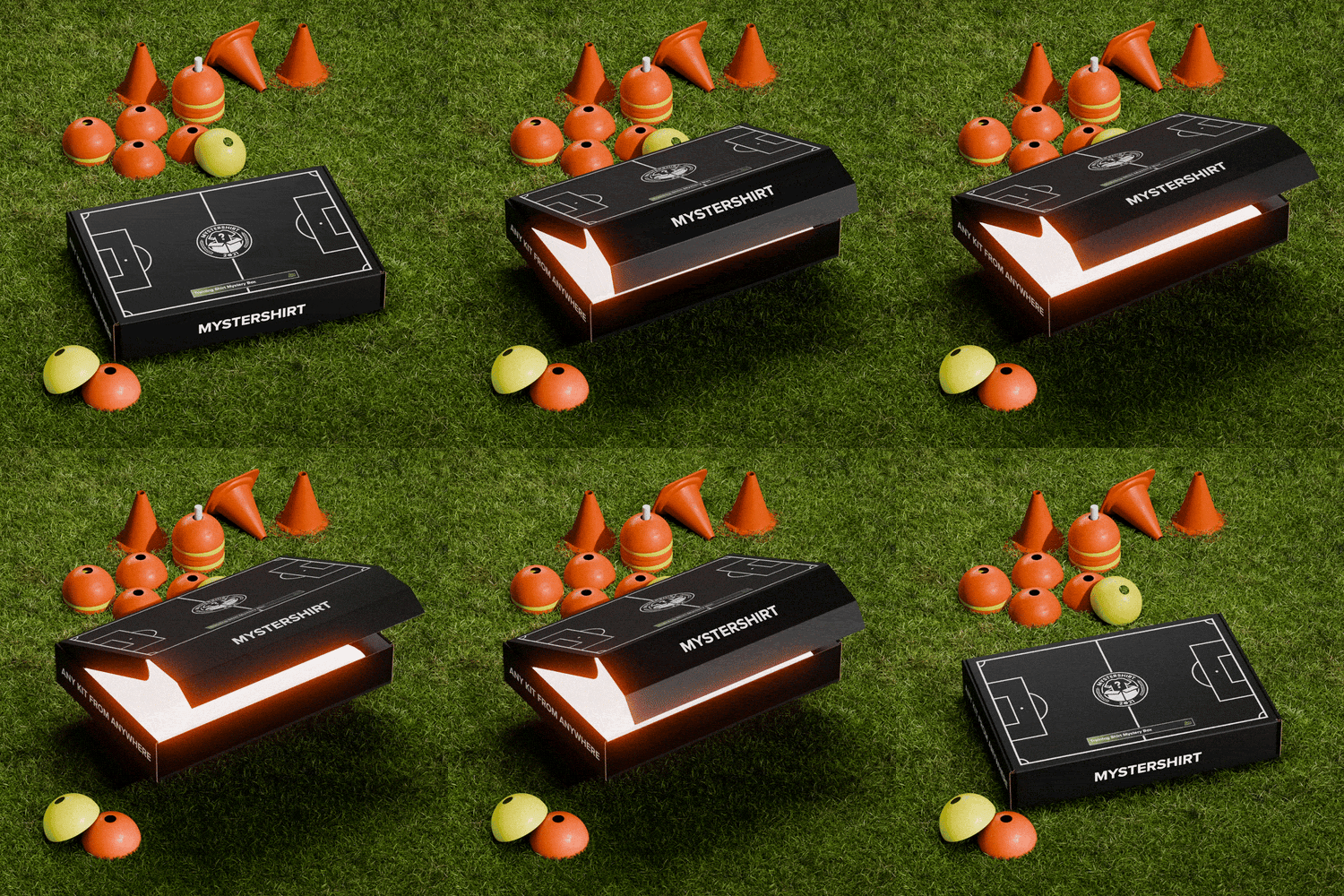
The best unboxing videos don't start with tape. They start with anticipation. A mystery jersey box gives you that immediately, because the viewer wants to know what club, colorway, season, or surprise detail is hidden inside before you do. If you've ever ordered a Mystery Soccer Jersey Box from Mystershirt, you already know the true content isn't the cardboard, it's the reveal.
Why collectors keep watching
Football shirt fans care about more than the shirt itself. They care about badge condition, neck labels, sponsor prints, and whether the jersey feels like a genuine find rather than a generic product opening. That's why the format became distinct in the first place, it lets the viewer experience a purchase the way the buyer does, from sealed packaging to first touch. One production guide notes that unboxing videos are typically first-person product-opening videos, and another says the format grew from simple user-shared clips into a mainstream marketing asset for brands and creators Artlist.
The emotional pull is the reveal. One practitioner guide recommends getting to the product fast, because viewers click for the opening itself, not for a long setup Backstage. That's especially true in football shirt content, where a fan may already be imagining a classic crest, an international kit, or a retro design before the box is even open.
Practical rule: the packaging should build suspense, but the video should never feel slow enough to dilute it.
The cleanest unboxings treat the opening like a mini performance. You show the seal, lift the lid, tease the first glimpse of fabric, then hold long enough for the audience to read the shirt's visual clues. That's what turns a simple product opening into content that feels communal rather than transactional.
What the viewer is really buying
The viewer isn't buying a shirt through the video. They're buying the feeling of discovery. That's why the opening shot, the first touch, and the final reveal all matter more than a polished intro. If those moments land, the clip earns attention, comments, and shares because it feels like a shared fan experience, not an ad read.
Choosing Cameras, Lights, and Audio
You do not need cinema gear to film a strong unboxing. The subject barely moves, which gives you room to work with a phone in a bedroom, office, or spare corner of the house. That said, the baseline still matters. A widely cited production guide says 1080p is the minimum standard for unboxing content, while 4K is a better choice when you want packaging print, stitching, labels, and texture to hold up in close crops Artlist.
A phone can carry the whole job if you control the scene. Put it on a tripod, lock exposure, and skip digital zoom, which can blur embroidery and woven labels fast. For a football jersey reveal, keep the camera back far enough to frame the box, then move into tighter shots only when you want to show the badge, sponsor mark, or inside tag. That approach gives the edit room to breathe, which matters if you plan to repurpose one recording for both horizontal and vertical cuts.
For seated reveals, a tripod at desk height or just above it usually works better than an overhead mount for reaction shots, because the viewer wants to see your hands and face together. The overhead or 45-degree camera should handle the detail work. If you want a practical gear reference, the checklist in A checklist for unboxing videos featuring essential gear like smartphones, lighting, and external microphones. covers the basic setup without overcomplicating it.
Light for fabric, not just for faces
Soft, even light beats harsh light for shirts, especially when the fabric has sheen, textured knit, or reflective packaging. A ring light can work in small rooms, but softboxes usually look more natural on fabric because they spread the light instead of throwing a bright circle across glossy plastic. If you are setting up near foil labels or hologram stickers, angle the light slightly off-axis so reflections do not wipe out the details.
For lighting technique ideas, BlitzReels' video lighting techniques are a useful reference because they focus on making the subject readable without overcomplicating the setup. That matters in football shirt content, where a crest or sponsor mark can disappear if the lighting is too hot, while a vintage collar can look flat if the shadows are too heavy.
Use the light to reveal the shirt, not to make the room look like a studio.
Audio and the short shopping list
A lavalier mic is the safest choice if you are talking through the opening, because it keeps your voice present even when you lean toward the box. A shotgun mic can work too, but in small rooms it picks up more room tone unless the space has some treatment. If you are filming a jersey review, clean audio matters as much as the visuals, because the best takes often include quick reactions to the crest, print, or packaging details that fans want to hear in real time. If you also plan to publish fan reactions or seller impressions later, that same audio setup holds up well in a sports gear review format such as sports gear swag reviews.
For most creators, the simplest gear list stays short, a phone or camera that shoots 1080p or better, one stable tripod, one soft light, and one external mic.

Framing and Shot List for Unboxing Reveals
The difference between a clip people watch once and a clip they rewatch usually comes down to framing. A two-camera layout solves most of the problem. One camera captures your face and reaction, while the second stays locked on the box, inserts, and shirt details. That combination keeps the reveal emotional and visual at the same time, which is exactly what good unboxing content needs YouTube guide.
Build the sequence before you press record
Start with a teaser shot, even if it lasts only a second or two. Then show the sealed package, then move into the overhead opening, then finish with the jersey fully unfolded and held toward the lens. That order matters because the viewer needs context before detail, and detail before the final reveal.
For reaction framing, the rule of thirds still works well. Put your eyes slightly above center and leave room in the frame for the box to enter naturally. Keep the package close enough to see your hands, but not so tight that the motion feels cramped. If the shirt has a sharp crest or a special label, reserve a close-up shot for those details instead of trying to make the wide shot do everything.
A shot list that actually survives editing
A useful workflow looks like this:
- Teaser hook shot. Hold back the reveal and give the viewer the strongest visual clue first.
- Context shot. Show the sealed box, shipping sleeve, or outer packaging before opening.
- Overhead reveal. Cut to the top-down angle for tissue paper, inserts, tags, and the first fold of the jersey.
- Final showcase. Hold the shirt fully open in frame so the badge, sponsor, and print all read clearly.
That structure is especially helpful for collectible football shirts, because a viewer often wants to inspect authenticity markers as much as the design itself. If there's a hologram sticker, woven label, or neck print, get a clean insert shot before moving on.
The cleanest shot list makes the reveal feel slow enough to enjoy, but fast enough to avoid dead air.
For a premium mystery box, the strongest version of the sequence ends with the first wear or a flat lay after the reveal. That gives the viewer a sense of completion without forcing the clip to linger on every fold. The more you treat each stage as its own shot, the easier it is to cut the material into something polished later.

Pacing, Hooks, and Editing Cuts
A good unboxing can still feel flat if the edit lingers too long on tape, flaps, and hands searching for the knife. The viewer is here for the reveal and the reaction, so the first job is to get there quickly and make the opening feel deliberate. One practitioner guide recommends a strong hook in the first 5 to 10 seconds, and another says to reveal the product name as soon as it enters the frame, keep the edit “short and sweet,” and preserve the honest reaction Backstage.
What to cut and what to keep
Cut the dead air. Keep the tension. If your hand spends ten seconds wrestling with tape, that usually belongs on the cutting-room floor unless the struggle itself adds humor or suspense. Jump cuts handle most of the heavy lifting here, because they let you move from sealed box to first glimpse to full reveal without making the opening feel mechanical.
Music should sit behind the reveal, not fight it. A light swell as the jersey comes out works better than a track that competes with your voice or the sounds of the packaging. If the shirt has a clean fabric rustle, a crisp label pull, or a nice fold unfolding on camera, leave room for those details to breathe.
That matters even more with a football jersey, where the tactile details are part of the appeal. A crest close-up, a collar turn, or a quick insert of the tag often carries more weight than extra chatter. If the shirt is tied to club history, collectability, or resale interest, sports gear and swag reviews tend to work best when the edit gives those details a clean, quick pass before moving on.
Long-form and short-form don't want the same edit
Long-form YouTube unboxings can hold more commentary and a wider arc. One industry guide says they commonly run 5 to 20 minutes Artlist. That gives you space to talk through the jersey, comment on fit, or give context on the club or era without rushing past the part viewers came to see. Short-form clips need a different rhythm. They have to reach the reveal almost immediately and stay tight enough for fast scrolling.
For a football shirt unboxing, the hook can be visual instead of verbal. Show the crest, the collar, or a flash of color before you explain anything. If the shirt is unusual, the edit should make that obvious fast. A viewer deciding whether to keep watching will not wait through a long introduction.
The simplest edit test is to mute it. If the shirt still reads clearly without sound, the pacing is probably strong enough for social. If the clip only works because you narrate every step, it likely needs fewer pauses and tighter cuts.
If you already have long-form footage and want a cleaner route into shorter cutdowns, revid.ai for short video creation can help turn one recording into multiple versions without rebuilding the project from scratch. A solid lighting setup also gives the edit more to work with, which is why creators who want cleaner reveals often revisit BlitzReels video lighting techniques before they start trimming the timeline.
Platform-Specific Filming for Vertical and Horizontal
A jersey unboxing that only works in one format wastes good footage. The same recording usually needs to live on YouTube, Shorts, TikTok, and Reels, and each platform rewards a different frame, pace, and caption treatment. Shooting once with repurposing in mind saves time later, especially when the shirt has details that deserve both a full reveal and a fast social cut.
A football jersey adds a useful wrinkle. The crest, collar, sponsor print, sleeve trim, and authenticity tags can all matter, but they do not always fit the same way in a vertical crop. If you keep the important action in the middle of the frame, you can protect the reveal without forcing a separate shoot for every platform.
Shoot for the center first
The safest way to cover both orientations is to keep the hands, the shirt, and your face in the center third of the frame. That gives a horizontal recording a clean layout and still leaves room for a 9:16 crop later. If you shoot too wide, the parts viewers care about first, such as the crest or neck label, can get clipped out when you reframe for mobile.
Leave extra space above and below when filming horizontally. Those are usually the first areas to disappear in a vertical edit, and they often carry the least useful visual weight anyway. For a football shirt, that extra space can save you when the collar, badge, or folded reveal sits closer to the edge than you expected.
Captions need just as much planning as framing. Sound-off viewing is common on TikTok and Reels, so burned-in text often carries part of the story. Keep the caption area clear of your hands, the box lid, and any labels that matter, because platform UI can cover the bottom edge fast.
Platform filming specs for unboxing content
| Platform | Aspect Ratio | Typical Length | Key Filming Note |
|---|---|---|---|
| YouTube | 16:9 | Long enough for commentary, reaction, and detail inserts | Use room for talking through the shirt, fit, and finish |
| YouTube Shorts | 9:16 | Short-form, commonly under a minute in practice | Put the reveal in the first seconds and keep framing centered |
| TikTok | 9:16 | Short-form, commonly under a minute in practice | Burn captions in for sound-off viewing and open with the hook immediately |
| Instagram Reels | 9:16 | Up to 90 seconds in practice | Keep the visual story complete even without audio |
One recording, multiple exports
A vertical-first workflow makes sense if short-form reach is the main goal. If you start with a longer shoot, revid.ai for short video creation is useful because it helps turn one recording into short clips without rebuilding the project from scratch. That matters with jersey content, where one clean reveal can become a long-form review, a quick reaction clip, and a teaser cut for another platform.
The trade-off is straightforward. Horizontal gives you room for context and commentary, while vertical gives you speed and immediate attention. If you frame the hero action in the middle from the start, you can export both versions without sacrificing the parts that make the unboxing worth watching. For creators who want a better sense of which shirt details tend to hold value on camera and in the collector market, first-time football shirt buyer tips are useful background before you decide how much context to keep in the edit.
Turning Customer Unboxings Into Shareable UGC
Customer-shot unboxings work best when they look like honest fan content first and marketing second. The clips that get reshared usually highlight authenticity cues that football people already care about, such as hologram stickers, woven labels, swing tags, and any guarantee card or authenticity insert that confirms the shirt is real. Those details are not decoration. They're proof points, and they help the video feel credible inside collector communities.
What makes people share
A good reaction is contagious. If a friend, teammate, or sibling is on camera and responds naturally, the video gets more personality without feeling staged. Group orders are especially strong here because different people can film their own reveal from the same shipment, then stitch the clips together into one shared moment. That kind of compilation feels like a locker-room conversation rather than a solo product demo.
Hashtags should stay close to the audience, not the algorithm fantasy. Football shirt collector tags, club-specific tags, and simple product-reveal phrasing usually travel better than a bloated stack of generic trend tags. Tag the brand account so the clip is easy to reshare, and keep the caption honest about what was exciting, what fit well, and what surprised you.
For creators experimenting with automation, AI unboxing video generation can be useful as a starting point for edits, but the footage still needs real reactions and real product details to feel trustworthy.

The cleanest disclosure practice is straightforward if a creator received the shirt at a discount or as a gift, say so plainly in the caption or opening line. Transparency helps the reaction feel believable, which is exactly what UGC needs to work.
Tips for first-time buyers can also help shape the story angle, because first-time buyers often want reassurance about size, authenticity, and the experience of the reveal.
Filming Checklist and Quick Troubleshooting
Before you hit record, clear the desk, charge the devices, test the mic, and make sure the backdrop doesn't fight the shirt. Lock the tripod, confirm the frame covers both your reaction and the box, and verify that your camera is set to 1080p minimum if you're not shooting in 4K. For the edit, make sure the hook lands in the first 5 to 10 seconds and that your captions are readable on a phone.

Quick fixes
- Audio is echoey. The room is too bare, so the mic is capturing reflections. Move to a smaller room or hang soft blankets to absorb sound.
- Product looks blurry. The camera is hunting focus or the light is too weak. Brighten the setup, then use manual focus on the close-up camera.
- Shaky close-ups. The camera isn't locked down. Put the close-up camera on a tripod and stop handheld moves during the reveal.
- Highlights are blown out. The light is too direct on shiny packaging. Angle the light off to the side and soften it before recording again.
If the edit feels slow, the problem is usually dead time between actions. Cut the pauses, keep the reveal moving, and let the best shirt moment land without clutter around it.
If you want a mystery jersey reveal that feels worth filming, start with a box that already gives you something real to show on camera. Mystershirt is built around that exact moment, authentic football shirts, clear choices, and the kind of unboxing experience that makes a clip easier to share. Visit Mystershirt to explore the boxes and turn your next reveal into content people want to watch.