You're standing in a shop, scrolling through football gifts. A predictable scarf would be safe, but it may feel forgettable. A known shirt could be exciting, yet choosing the wrong club, season, or size could spoil the moment. Then you see a sealed surprise gift box and pause. The appeal is immediate: the recipient won't know what's inside, and neither will you.
That uncertainty can create a memorable reveal, but it can also create disappointment if the seller leaves too much to chance. A good box protects the excitement with thoughtful curation, clear quality standards, useful size choices, and honest information about returns and authenticity.

Table of Contents
- Introduction to the Surprise Gift Box Experience
- What a Surprise Gift Box Is and How It Works
- Buying a Ready Made Box or Creating Your Own DIY Surprise
- Popular Ways to Use Surprise Gift Boxes Today
- How to Choose the Right Surprise Gift Box for Value and Trust
- Football Shirt Mystery Box Tips for Size Authenticity and Personalization
- Final Thoughts on Choosing Your Next Surprise Gift Box
Introduction to the Surprise Gift Box Experience
The best surprise gift box sits between a completely predictable present and a reckless gamble. You choose the broad direction, such as football, retro fashion, snacks, or self-care, while the final item remains hidden until the recipient opens it. That small gap between intention and discovery is what gives the format its energy.
For a football fan, the experience might begin with a plain package under the tree or on a birthday table. The recipient feels the weight, guesses the contents, opens the wrapping, and sees a shirt from a club they may never have considered buying for themselves. The gift becomes more than clothing. It becomes a story about the reveal, the club, and the possibility of adding something unexpected to a collection.
The psychological trade-off matters. Research on mystery boxes found that participants preferred mystery boxes over average non-mystery boxes by 76% versus 50%, with the desire to be surprised acting as the strongest predictor, rather than general decision ease or novelty-seeking (Journal of Consumer Research study). The same research also found that people can feel less happy and more disappointed after opening a mystery item than after receiving an equivalent announced product.
Core principle: Build anticipation before the reveal, then control disappointment with a strong quality floor.
This guide applies that principle to football-shirt mystery boxes. It covers what a surprise gift box is, how the format developed, when a ready-made box makes more sense than a DIY gift, and how to check value before paying. It also focuses on the practical details that often cause trouble, especially shirt sizing, authenticity, unwanted clubs, and return conditions.
By the end, you'll have a simple way to judge whether a box feels like a curated adventure or an overpriced clearance package.
What a Surprise Gift Box Is and How It Works
A surprise gift box is a sealed package containing an item or assortment chosen around a theme, with the exact contents hidden until opening. The buyer usually controls the category, budget, and sometimes preferences, while the seller controls the final selection.
Think of it as a treasure chest rather than a vending machine. A vending machine gives you whatever happens to fall into the slot. A well-designed surprise box narrows the possibilities first, so the hidden result still fits the recipient.
From lucky bags to collectible reveals
The format has deep roots in Japan. The earliest precursor is often traced to fukubukuro, or “lucky bags,” sold by department stores in the early 1900s as discounted mystery bags containing leftover stock. Modern capsule-toy distribution later grew through gachapon machines during the 1960s, 1970s, and 1980s.
That history shows an important change. The idea moved from a stock-clearing retail practice toward a repeat-purchase collectible model. By the early 2000s, sealed blind boxes had become a recognized format that spread beyond Japan into China, Europe, and North America. Later industry commentary placed the global adult collectibles and blind-box segment above US$17 billion, with annual growth projections around 9% through 2027, making surprise gifting part of an established retail category rather than a small novelty (blind-box history and market overview).
The four decisions behind a good box
A reliable box follows a simple chain:
- The buyer chooses a theme. Football, skincare, sweets, collectibles, or another clear category gives the seller useful boundaries.
- The seller curates the contents. The seller should apply quality rules rather than selecting items without regard for condition or suitability.
- The recipient discovers the item. Packaging, timing, and presentation turn the product into an event.
- The result earns another purchase. A satisfying reveal can encourage collecting, gifting, or sharing, but only when the item feels worthwhile.
Football-shirt boxes demonstrate the difference between curation and randomness. A recipient might receive a shirt from a different league or era, but the box can still respect their chosen size and avoid listed clubs, colors, or competitions. A useful example is this football jersey mystery box guide, which frames the product around the hidden-shirt experience while keeping the category specific.
The strongest boxes also establish a value band. The buyer may not know the exact shirt, but they should understand the type of item, its condition, its authenticity status, and the protections available if the order fails to match the description.
Buying a Ready Made Box or Creating Your Own DIY Surprise
The choice between a ready-made surprise gift box and a DIY version depends on how much control you need and how much work you want to do. Neither option is automatically better. They solve different gifting problems.

Ready-made boxes
A ready-made box works well when you want a polished experience without sourcing every item yourself. The seller has already selected the products, arranged the packaging, and usually defined the theme. That makes a football-shirt mystery box useful for a fan whose exact club preferences you don't know, provided the seller accepts size information and avoid lists.
The main advantage is efficiency. You don't need to research shirt labels, compare suppliers, find packaging, and hide the contents. You also benefit from the seller's existing stock and category knowledge. The limitation is reduced control. You can guide the result, but you can't handpick the exact design.
DIY boxes
A DIY box gives you more personal detail. You might combine a football magazine, a match-day snack, a handwritten note, and a small accessory linked to the recipient's favorite stadium. For a child, you could choose colors and themes you already know they enjoy. For a coach, a handmade collection can feel especially thoughtful. If you need inspiration for a more personalized presentation, these personalized coach gift boxes show how a gift can reflect a person's role and relationships.
The trade-off is effort and variable quality. You'll need to source each item, confirm delivery timing, estimate the total cost, and create the reveal yourself. A DIY box can be inexpensive or elaborate, but the final result depends on your shopping decisions rather than a seller's established curation system.
| Decision point | Ready-made box | DIY box |
|---|---|---|
| Time | Faster to order and present | Requires sourcing and assembly |
| Control | Theme and preferences guide the result | You select every component |
| Surprise | The exact contents stay hidden | You design the reveal yourself |
| Personal touch | Comes through the theme and presentation | Comes through item-by-item choices |
| Risk | Depends on seller transparency | Depends on your research and packing |
A practical choice: Buy ready-made when the category requires specialist sourcing, such as authentic football shirts. Choose DIY when personal memories and small details matter more than the unknown item.
A hybrid approach can work too. Order a professionally curated shirt box, then add a personal card or match-day treat. That preserves the anticipation while giving the gift a clear connection to the recipient.
Popular Ways to Use Surprise Gift Boxes Today
A surprise gift box can serve several different gifting jobs. Sometimes the recipient wants a personal reveal. Sometimes the box creates a shared activity. In other cases, the surprise helps a collector explore a category without choosing every item in advance.
Personal birthdays and seasonal gifts
For a birthday, the box turns the opening into part of the celebration. A football fan may enjoy receiving a shirt without knowing whether it will represent a familiar club, a historic design, or a new league to follow. The giver only needs to understand the recipient's size and broad preferences.
Holiday gifting works similarly, especially when several people open gifts together. A sealed package creates a natural pause before the reveal, and the recipient can explain the shirt or item once it appears.
Group moments and shared unboxing
A box can also become a group activity. Friends, teammates, or family members might open several themed packages together, compare results, and discuss the clubs or designs they receive. The social element matters because the surprise becomes conversation rather than a private transaction.
For football groups, a shared format can help avoid the problem of buying one highly specific gift for each person. A seller's sharing option may provide a consistent category while leaving each individual reveal unknown. You can find more ideas for using a surprise gift in a group setting through this guide to ways to give a surprise gift.
Children and family gifting
Parents should prioritize fit, durability, and clear preferences over maximum randomness. A child who receives a shirt in the wrong size may not enjoy the reveal for long, even if the design looks exciting. Avoid lists are useful here, especially when a child strongly dislikes particular colors or supports a specific rival.
The same principle applies to comfort-focused gifts. A birthday basket can combine the surprise format with a practical item, and themed birthday baskets with blankets offer an example of how a broad theme can connect several products into one cozy presentation.
Collectors and discovery
Collectors often enjoy surprise boxes because the unknown item adds a discovery layer to an existing hobby. The strongest experience comes when the box expands the collection rather than filling it with unusable duplicates. Buyers should check whether the seller allows duplicate avoidance, club exclusions, or category preferences before ordering.
A good collector box doesn't need to deliver a rare item every time. It needs to deliver an item that feels authentic, relevant, and worth displaying or wearing.
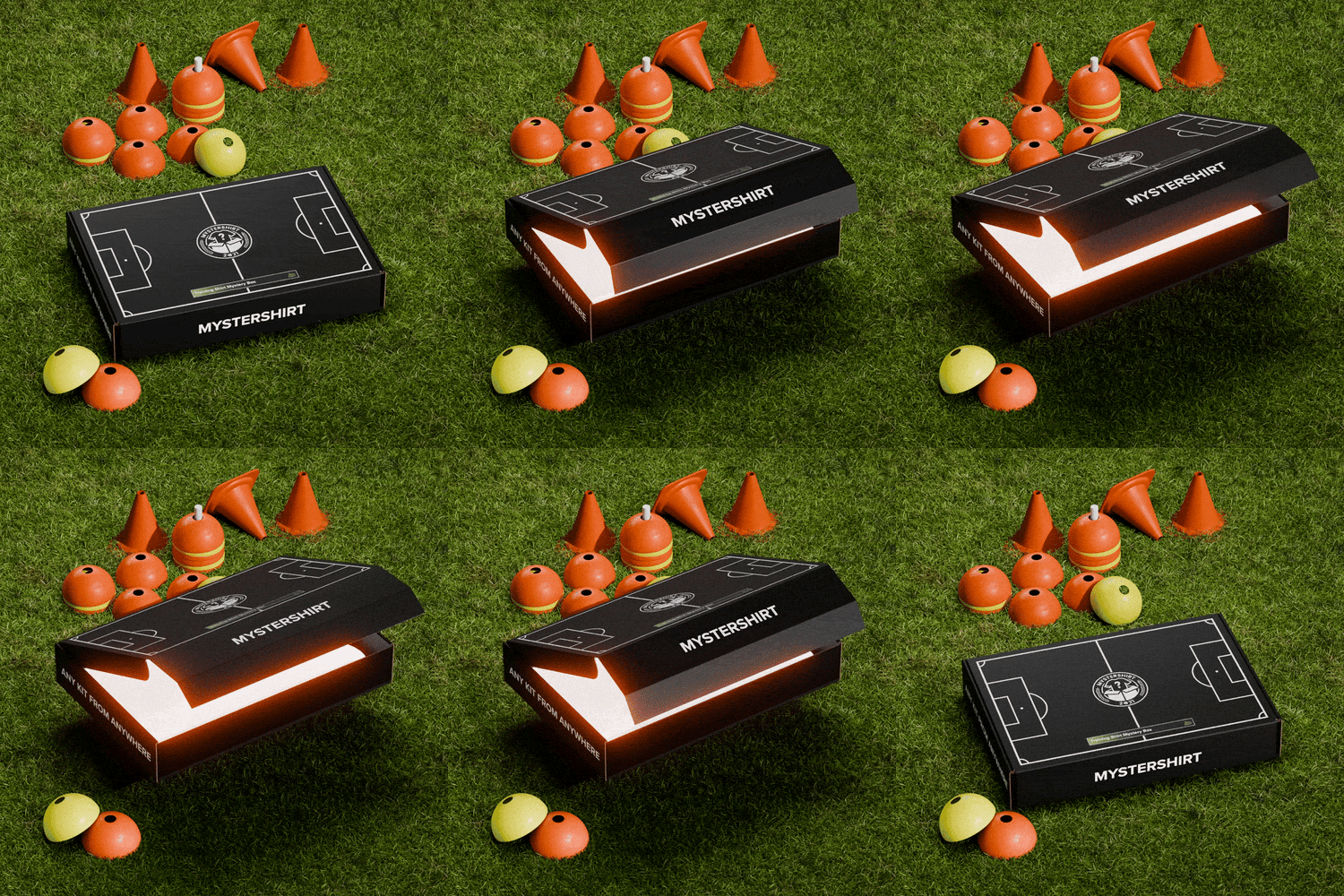
A group reveal can add another layer of excitement to the format:
How to Choose the Right Surprise Gift Box for Value and Trust
A surprise box can feel like opening a door with four checks behind it: expected value, suitability, seller accountability, and exit options. The price shows what you pay, not whether the contents will be usable, authentic, accurately described, or easy to return.
The earlier research on anticipation and disappointment points to a more useful buying principle: an announced-surprise box reveals the product category, quality level, or theme while keeping the exact item secret. That format preserves anticipation without making the buyer guess whether the gift will be suitable. For a football-shirt box, the mystery should concern the club or design, not the recipient's size, the shirt's authenticity, or whether the item meets a stated standard.
What value looks like before the reveal
Read the listing as if you were checking a team sheet. It should define the product category, condition, included features, and minimum quality standard. A football-shirt listing should state whether shirts are authentic, whether labels are included, which sizes are available, and whether unwanted clubs or styles can be excluded. Phrases such as “random sports item” or “value guaranteed” leave too many decisions unclear.
Value also depends on what happens after delivery. Check the seller's process for items that arrive damaged, counterfeit, or unsuitable under the published terms. Consumer coverage warns that mystery products may include defective or low-quality goods, while vague listings can make disputes harder to resolve (mystery-product risks and buyer questions).
Quick Check Before You Buy a Surprise Gift Box
| Criteria | What to Look For | Red Flag |
|---|---|---|
| Product scope | A defined category and clear contents standard | The seller describes the box only as “random” |
| Quality | Condition, authenticity, and presentation are explained | No information about defects or replicas |
| Personalization | Size, preferences, exclusions, or themes can be submitted | The seller ignores fit and recipient preferences |
| Value | The offer explains what kind of item the price covers | Strong value language without a product floor |
| Seller identity | Imprint, contact details, terms, and independent reviews | Anonymous storefront or incomplete legal information |
| Returns | Written withdrawal, refund, and defect procedures | Returns are mentioned only in vague wording |
Use the table as a pre-check, not as a promise of a particular reveal. A seller with clear limits gives the surprise a safe boundary, much like choosing a box of assorted chocolates while still avoiding ingredients the recipient cannot eat.
European shoppers should check the applicable withdrawal rules before ordering. Consumer guidance says online mystery-box buyers may have a 14-day withdrawal right, while in-store and vending-machine purchases usually do not carry an automatic return right just because the contents disappoint (consumer guidance on mystery-box withdrawal rights). The outcome can depend on the seller, product, and circumstances, so read the terms rather than assuming every box receives the same protection.
For presentation ideas beyond football, premium gift box ideas show how packaging, product grouping, and a clear theme can raise perceived value without depending on pure randomness.
Football Shirt Mystery Box Tips for Size Authenticity and Personalization
Football shirts make excellent surprise gifts because the reveal carries both visual and emotional impact. They're also less forgiving than generic accessories. A shirt that doesn't fit, comes from an unwanted club, or lacks authenticity can turn anticipation into immediate frustration.
Start with the wearer, not the mystery
Choose the recipient's size before thinking about the possible club. Check the seller's measurement guidance, because shirt sizing varies across brands, eras, cuts, and youth or adult ranges. If the recipient prefers a relaxed fit, compare garment measurements rather than relying only on a familiar letter size.
A useful reference is this authentic football jersey size chart. It can help you make a more informed choice when the exact shirt remains unknown.
Shape the surprise with exclusions
You don't need to predict the exact result. Instead, identify outcomes that would clearly fail. Write down clubs, leagues, colors, or national teams the recipient dislikes. Add practical notes such as “avoid goalkeeper shirts” or “prefer retro designs” only if the seller accepts those preferences.
This creates a controlled mystery. The recipient still doesn't know what they'll receive, but the surprise operates inside a suitable range.
Verify authenticity before ordering
Look for explicit language about authenticity, not just polished photographs. Check whether the seller explains labels, sourcing, condition, and what support is available if the item isn't genuine. A football shirt can resemble an official product while lacking the construction, labeling, or provenance expected by collectors.
Also inspect the box type. A premium or retro option may suit an experienced collector, while a kids' option should emphasize fit and wearability. A sharing box works for friends or teammates who want to open several shirts together, but each participant still needs a usable size.
Review delivery and payment details
Confirm the dispatch location, estimated delivery window, and whether tracking is provided. A birthday gift arriving after the event loses much of its effect. Check the payment methods and whether the seller's terms explain refunds, damaged items, and unsuitable orders in plain language.
Checkout checklist: Confirm size, exclusions, authenticity terms, condition, delivery timing, payment details, and return procedure before placing the order.
Mystery gifting should preserve uncertainty around the shirt, not around your basic rights or the product's identity.
Final Thoughts on Choosing Your Next Surprise Gift Box
A surprise gift box works best when it balances two forces. Anticipation gives the recipient a reason to lean into the reveal. Curation keeps the result from becoming a disappointing gamble.
For football fans, that balance depends on practical controls. Choose the right size, remove unwanted clubs and colors, confirm authenticity, and read the seller's return terms. A DIY box gives you maximum personal control, while a ready-made football-shirt box can provide specialist sourcing and a cleaner reveal.
The most useful question isn't, “Will this be exciting?” Ask, “What protects the recipient if the hidden item isn't what we hoped?” Strong quality standards, transparent value expectations, and sensible personalization answer that question before the package arrives.
Whether you're buying for a birthday, planning a group unboxing, or helping a collector discover a new shirt, use three filters: value, authenticity, and fit. If all three hold up, the mystery can add joy instead of risk.
Mystershirt offers Mystery Soccer Jersey Boxes with options for Premium, Retro, Kids, and Sharing Boxes, plus size selection and club, league, and color exclusions. Visit Mystershirt to explore a football-shirt surprise gift built around the recipient rather than pure randomness.