An official Premier League jersey sells for just under €100, but the actual manufacturing cost is only about €9.50, or roughly 9.5% of the final price. Most of what you're paying for isn't fabric or stitching. It's retail margin, taxes, licensing, branding, and the commercial machine wrapped around modern football.
If you've looked at a new home shirt lately and thought, “How is this nearly a hundred quid?”, you're not being dramatic. Fans see a polyester top on a hanger. Clubs, brands, and retailers see a global product with emotional pull, licensing value, and a buyer who wants this year's badge, sponsor, and player name right now.
That's why the answer to why are soccer jerseys so expensive isn't “better material” on its own. Better fabric matters for some shirts, especially player-grade versions, but it's only one part of the story. The bigger reason is that football shirts stopped being simple sportswear a long time ago. They became branded collectibles, identity markers, and a major retail business.
Table of Contents
- That Moment of Jersey Sticker Shock
- The Real Cost Breakdown of a €100 Soccer Jersey
- Understanding Authentic vs Replica Jerseys
- How Licensing and Sponsorship Inflate Jersey Prices
- How to Buy Authentic Soccer Jerseys for Less
- The Hidden Dangers of Counterfeit Kits
- Frequently Asked Questions About Jersey Prices
That Moment of Jersey Sticker Shock
Every fan knows the feeling. You see the new shirt drop, love the design, click through to buy it, and then pause at the price tag.
The first reaction is usually to blame the shirt itself. Maybe the material is more advanced. Maybe production got more expensive. Maybe the club had no choice. Some of that sounds reasonable until you look at how the money is divided.
What really stings is that a football shirt feels personal. It's not just clothing. It's what you wear to the match, to five-a-side, to the pub, or on the sofa watching an away game that starts too early. So when the price feels inflated, it feels like the sport is charging extra for your loyalty.
Football shirts are expensive because fans buy emotion, identity, and official status alongside the garment.
That's the shift often overlooked. The shirt isn't priced like a gym top. It's priced like a branded fan product inside a giant licensing system. Once you see that, the high cost makes more sense, even if it still annoys you.
The Real Cost Breakdown of a €100 Soccer Jersey
The clearest way to understand why are soccer jerseys so expensive is to stop looking at the shirt as a shirt and start looking at it as a retail product.
According to Flashscore's breakdown of official Premier League shirt pricing, an official Premier League jersey averages just under €100, while the actual cost of fabric, sewing, and transport is about €9.50, or roughly 9.5% of the final price. The same analysis says the retailer takes €42, which is 42% of the total price.

Where the money actually goes
That's the part that changes how most fans see the whole thing. The shirt itself isn't what's costing you the most. The commercial layers on top are.
From a simple viewpoint:
- Manufacturing: the physical making of the shirt
- Retail margin: the cut taken by the shop selling it
- Brand and licensing costs: the right to put official crests and logos on it
- Taxes: unavoidable and added into the price
- Marketing and distribution: the cost of moving and promoting the product worldwide
If you've ever wondered why a shirt jumps from “probably costs a tenner to make” to “why is this almost €100?”, this is your answer. The biggest chunk sits at the retail end, not the factory end.
Why the shop takes the biggest slice
Retailers don't just put shirts on shelves and hope for the best. They handle storefronts, ecommerce, warehousing, staffing, customer service, returns, and all the overhead that comes with selling official club merchandise at scale. That still doesn't make the final price feel pleasant, but it explains why the retail cut is so large.
For a useful outside look at how clothing businesses build pricing from product cost up to final shelf price, Display Guru's brand guide is a solid primer. It helps explain why the same item can move a long way from production cost to consumer price once branding and retail layers stack up.
Practical rule: If a fan says, “It's just expensive because of premium fabric,” they're only seeing a small part of the bill.
Understanding Authentic vs Replica Jerseys
A lot of pricing confusion starts here. Two shirts can look nearly identical from a distance and still carry very different prices.
One is the authentic shirt, sometimes called player-grade or player-issue style. The other is the replica shirt, made for everyday supporters. According to Soccer.com's guide to authentic vs replica kits, authentic jerseys often cost 30 to 40% more than replica versions because they use advanced performance tech and more precise construction that many casual fans don't need.

What makes an authentic shirt different
Authentic shirts are built to mirror what players wear. The materials are lighter, the fit is closer to the body, and brands often use more technical polyester with moisture management, breathability, and specialist construction. Some also use heat-applied details instead of heavier embroidered ones.
That matters if you care about performance feel, shirt weight, or collecting the closest thing to what appears on the pitch.
A fan-grade replica is different. It's usually more forgiving in fit, often more comfortable for normal wear, and designed for life off the pitch. For many supporters, that's the smarter buy.
If you're worried about ending up with the wrong version or a fake, this guide on how to check if your football shirt is authentic is useful before you spend serious money.
Which one should most fans buy
Here's the honest pub answer. For many, the authentic version is not necessary.
If you're buying a shirt to wear to matches, around town, or while watching at home, the replica usually gives you the part you care about most: the club identity. Badge, colours, sponsor, and look are all there. You're just skipping some of the elite performance features.
A quick comparison helps:
| Type | Best for | Main traits |
|---|---|---|
| Authentic | Collectors, serious kit enthusiasts, fans who want the on-pitch spec | Slimmer fit, lighter build, more technical finish |
| Replica | Most supporters | More relaxed fit, easier everyday wear, better value |
That difference alone explains why some fans think all jerseys are outrageously priced. They're often comparing the premium version to what they need, which is the standard one.
How Licensing and Sponsorship Inflate Jersey Prices
The shirt in your hand is also a licensed product. That's where football business enters the chat.
When you buy an official jersey, you're paying for the right to wear an item with a club crest, a manufacturer logo, and the visual identity of a major sports brand. That legal and commercial permission has value before the shirt is even made. It's one reason official merchandise costs so much more than plain sportswear with similar material.

You're buying into a brand system
Many fans misinterpret the situation. They think they're comparing one shirt to another shirt. But brands and clubs price official kits more like branded assets.
That includes things like:
- Club identity: the badge is part of what you're paying for
- Brand status: Nike or Adidas branding changes perceived value
- Global marketing: launches, photoshoots, player campaigns, and retail presentation all add cost
- Official status: fans often pay a premium because the shirt is official
For a broader look at how football shirts function as business products, this article on the business behind football shirts gives useful context.
Star players change what fans will pay
Demand matters as much as cost. According to this explainer on football shirt pricing and demand, a Manchester United jersey now costs three times as much as it did thirty years ago, and that rise outpaced inflation while tracking the growth of global demand and the pull of star players.
That rings true to any fan who has watched a shirt become more desirable the moment a major signing lands. A new star doesn't change the stitching. He changes what supporters feel the shirt is worth.
The more a club becomes a global brand, the less its shirt is priced like ordinary clothing.
That doesn't mean quality is fake or meaningless. It means quality sits inside a much bigger pricing story.
How to Buy Authentic Soccer Jerseys for Less
You know the feeling. A new kit drops, you open the club shop, and by the time you add a name set and shipping, the total looks more like a utility bill than a football shirt.
That is why buying well matters as much as buying authentic. Supporters who pay the least for genuine shirts usually do one thing better than everyone else. They shop around the football calendar, not the launch campaign.
The price pressure is not in your head. The BBC's report on Premier League shirt prices found that the average adult replica Premier League jersey has risen 50.7% over the past decade to about £85, roughly €100.

The smart fan playbook
A football shirt is priced a bit like match tickets. The closer you buy to the big moment, the less bargaining power you have. Release week is full of emotion, media coverage, and fear of missing out. That is exactly when clubs and retailers have the least reason to discount.
A better approach is simple.
- Wait until the noise dies down: Current-season shirts are usually priciest at launch, when demand is strongest.
- Shop late in the cycle: End-of-season clearances often bring the best value on genuine stock, especially once next year's kit leaks or gets announced.
- Check outlets and clearance sections: Brand outlets, large sports retailers, and trusted resale channels often beat the club shop on price.
- Be flexible on the badge: If you collect shirts for design, history, or novelty, not just one club, your options get much cheaper.
- Study how prices fall over time: This guide to soccer jersey price trends and resale value shows why timing often matters more than people expect.
One point confuses a lot of fans, so it is worth clearing up. Paying less does not usually mean finding a secret store with miracle prices. It usually means giving up one of three things: getting the shirt on release week, getting one exact club, or getting the newest version.
Where mystery boxes fit
Mystery boxes are one of the few modern options that can lower the price without pushing you toward fakes.
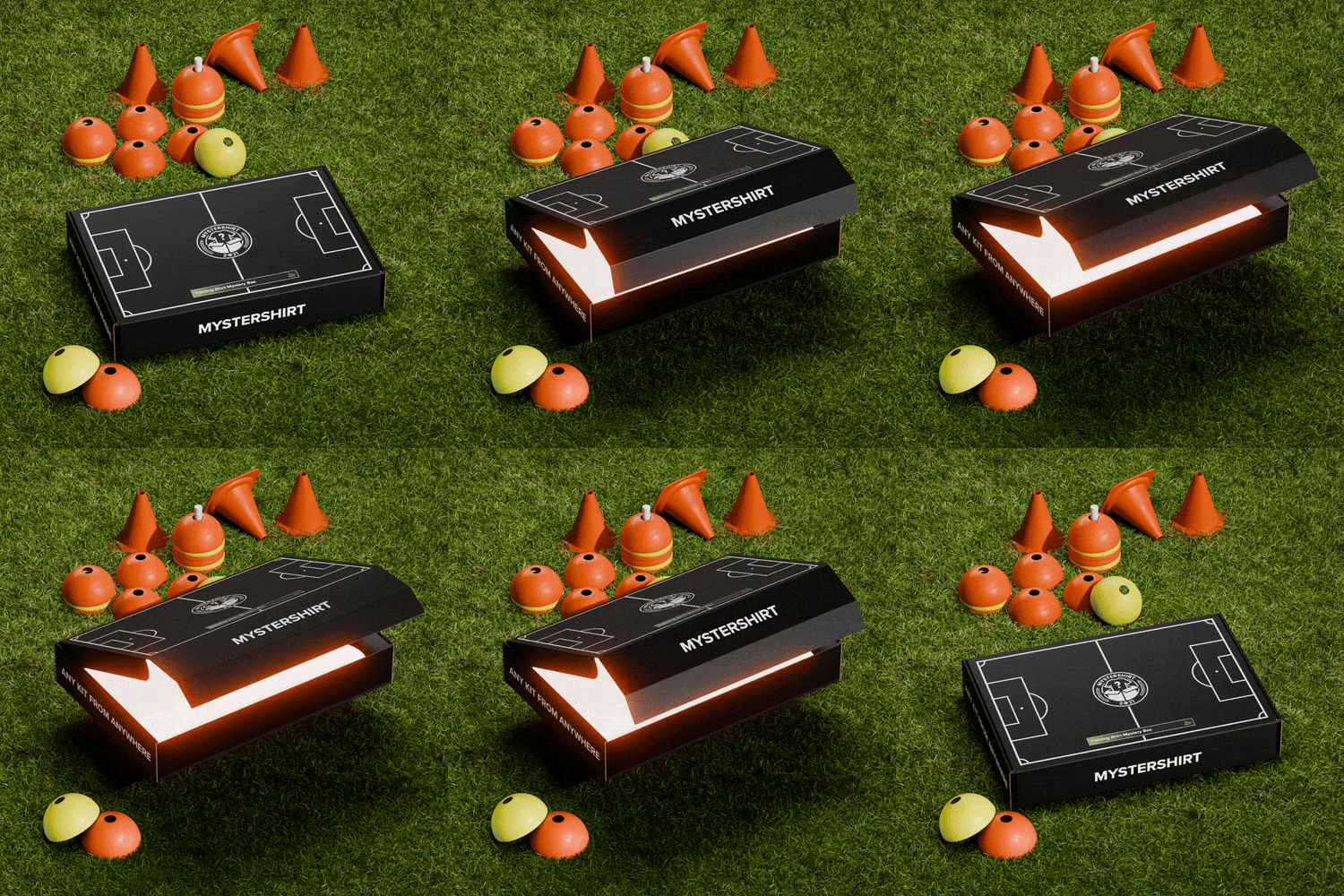
The model is straightforward. Instead of paying a premium to choose a specific current shirt, you choose your size and a few preferences, then receive an authentic football shirt picked for you. It works a bit like buying from the bargain rail with better filtering. You lose some control, but you can gain value.
Mystershirt uses that format. Buyers submit size details and clubs they want to avoid, then receive an authentic shirt rather than selecting a single release up front. That makes the option more useful for collectors, gift buyers, and fans who enjoy opening shirts from clubs they would never have paid full retail for. It is less useful if you only want this season's home kit from one club and nothing else.
There's also a good visual example of how these football shirt boxes work in practice:
If you want the shortest version, here it is. Buy after the hype, stay flexible, use trusted discount channels, and consider formats like mystery boxes when exact choice matters less than authenticity and value.
The Hidden Dangers of Counterfeit Kits
Once fans understand pricing, the temptation is obvious. If official shirts cost that much, why not just buy a fake?
Because fake kits usually fail in the exact places that make football shirts worth owning. The fit is off. The colours can look wrong. Badges peel, names crack, and fabrics often feel cheap in a way you notice straight away once it's on your back.
Why fake shirts disappoint fast
Counterfeits also remove the one thing that justifies buying a football shirt instead of a generic training top: authenticity.
You're not getting club-approved design standards, consistent sizing, or reliable finish. If you care about collecting, resale, gifting, or owning a proper version of your club's shirt, fakes usually become a regret purchase.
A few signs of trouble show up again and again:
- Details look slightly wrong: sponsor spacing, badge shape, and trim colour are often off
- Fabric feels poor: cheaper material tends to trap heat and lose shape
- Printing ages badly: namesets and logos can crack or peel much sooner
- There's no trust in the seller: returns, guarantees, and proof of authenticity are often weak or nonexistent
How to save money without going fake
A better approach is to buy smarter rather than cheaper at any cost.
If the low price only works because the shirt isn't genuine, you're not getting value. You're getting a different product.
That means sticking to reputable retailers, learning the difference between authentic and replica, waiting for the right buying window, and considering flexible options if you don't need one exact kit. Fans usually regret overpaying. They also regret buying a fake that looks tired after a few washes. The sweet spot is genuine and discounted.
Frequently Asked Questions About Jersey Prices
Are retro jerseys a cheaper option
Sometimes, yes. A retro shirt can be better value if you're not set on the latest release. Older designs don't always carry the same launch buzz as current kits, and some fans prefer them because they skip modern sponsor-heavy looks. The catch is collectability. Certain retro shirts become highly sought after, so “older” doesn't always mean “cheaper.”
What's the best time of year to buy
Usually when a shirt is no longer the new thing. End-of-season periods, stock clearances, and the point where next season's kit starts appearing are often better buying windows than release week. If you need the shirt immediately after launch, you're paying for novelty as much as the item itself.
Do kids' kits have the same pricing problem
Yes, although the buying decision is different. Parents often care more about durability, sizing life, and whether a child will outgrow the shirt quickly. That makes full-price current-season purchases harder to justify. In many cases, a fan-grade kids' shirt or a discounted older kit is the more sensible route than chasing the newest version.
If you want a lower-cost route into genuine football shirts, Mystershirt is worth a look. It offers authentic mystery jersey boxes for fans who care more about getting a real shirt at a better price than hand-picking the latest release at full retail.