You want a new shirt. You open the official club store, see the price, and close the tab a little annoyed. Then you search elsewhere and find the same kit, supposedly, for far less. That's where most buyers get stuck. One option feels overpriced. The other feels sketchy.
Cheap real soccer jerseys do exist. The problem is that the wrong test is often applied. Buyers ask, “Is this cheap?” when they should ask, “Why is this one cheap, and is it still officially licensed?” That distinction saves money and avoids the fake-shirt trap.
A real bargain usually comes from the jersey tier, the season, the seller, or the logistics. It doesn't come from magic. Once you understand those moving parts, the market gets much easier to read.
Table of Contents
- Your Guide to Finding Affordable Authentic Jerseys
- Understanding What Makes a Soccer Jersey Real
- How to Spot a Counterfeit Jersey From a Mile Away
- Setting a Realistic Budget for Your Jersey Hunt
- Where to Find Genuine Deals on Soccer Jerseys
- Essential Checks Before You Buy Sizing and Returns
- Become a Savvy Jersey Collector Today
Your Guide to Finding Affordable Authentic Jerseys
You find a shirt listed at half the price of the club shop, the photos look clean, and the seller says “player version.” That is where a lot of buyers get burned. Cheap and real can absolutely exist, but only if you know which kind of jersey you are looking at and why the price is lower.
The first thing I check is the product tier, not the discount. A genuine fan replica, an authentic player shirt, and older licensed stock can all be real products with very different normal price ranges. That is the part many listings blur on purpose. If you do not separate those tiers first, every “deal” starts to look better than it is.
Affordable usually comes from ordinary retail reasons, not secret supply. Clubs change kits every season. Stores clear old inventory. Outlet channels get excess stock. Some shirts are cheaper because they are fan versions made for everyday wear, which is often the smarter buy anyway if comfort and value matter more than match-day fabric.
Bad buys usually happen for three reasons. Buyers mix up authentic with replica, they treat low price as proof of value, or they forget to factor in shipping, import fees, and return hassle.
A safer approach is simple. Check the exact version of the shirt. Check whether the seller clearly states that it is officially licensed. Check the final cost, including delivery and returns. A real bargain still needs to be a good purchase after those numbers are added up.
Practical rule: If a listing uses premium-looking photos but stays vague about the jersey tier, stop and verify before you pay.
That is how to shop this part of the market without wasting money. The goal is not the lowest number on the screen. The goal is getting a legitimate shirt at a price that makes sense for the version, season, and seller.
Understanding What Makes a Soccer Jersey Real
A lot of confusion starts with one word: real. In football shirt terms, “real” doesn't only mean the most expensive match-day shirt. It means the item is officially licensed and sold as a legitimate product, even if it's made for fans rather than players.
Real does not mean only player issue
In the soccer-kit market, the main technical split is authentic/player versus replica/fan construction. Authentic jerseys are the exact match-day versions worn by professionals, with a tighter athletic cut and more performance-focused features, while replica jerseys are cut more loosely for everyday wear, as explained in this video breakdown of authentic vs replica construction.
That single distinction clears up most of the market.

Authentic shirts are built like performance gear. They often have a slimmer cut, lighter feel, and a more technical finish. Replica shirts are still official, still licensed, and still club merchandise. They're just made for ordinary wear. For a lot of collectors and fans, that makes them the better buy, not the lesser one.
The simplest way to think about the three tiers
Use this quick framework:
| Type | Is it real? | Who is it for? | What usually stands out |
|---|---|---|---|
| Authentic / Player | Yes | Players and buyers who want match-spec construction | Tighter fit, performance feel, lighter detailing |
| Replica / Fan | Yes | Everyday supporters | Looser fit, easier wear, lower entry price |
| Counterfeit / Fake | No | Buyers being misled or knowingly gambling | Inconsistent quality, vague listings, weak seller signals |
A simple analogy helps. Think of authentic shirts like race-spec shoes, and replica shirts like the retail version intended for general use. Both can be made by the same brand and carry the same club identity. One is optimized for elite use. The other is optimized for comfort and price.
If you're hunting for cheap real soccer jerseys, the replica tier is usually where the genuine value lives.
The biggest mistake I see is buyers paying player-issue money when they really wanted fan comfort, or dismissing a replica because they assume “replica” means fake. It doesn't. In this market, replica and counterfeit are not remotely the same thing.
Once that clicks, your options widen immediately. You're no longer forced to choose between official store sticker shock and suspicious bargain-bin listings.
How to Spot a Counterfeit Jersey From a Mile Away
Counterfeit shirts have improved visually. That's the annoying part. A fake can look decent in one marketplace photo and still be awful in hand. The fix is to stop looking for one silver-bullet sign and start using a checklist.

Independent guidance on spotting fake jerseys notes that official shirts use high-quality breathable materials, while counterfeit versions often feel cheap or flimsy and may lack proper tags or authenticity patches. That lines up with what experienced collectors look for first: fabric, finish, and labeling consistency.
The red flags that show up first
Start with the obvious physical checks:
- Fabric feel: Real shirts usually feel intentional. Even a replica version should feel like branded sportswear, not plastic costume fabric.
- Badge and logo finish: Crests, sponsor marks, and brand logos should look clean, centered, and properly applied.
- Stitching: Loose threads don't automatically mean fake, but messy finishing across multiple areas is a bad sign.
- Tags and internal labels: Wrong fonts, awkward spacing, flimsy tags, or missing product information should make you pause.
- Seller language: Vague terms like “AAA,” “player version same as original,” or “1:1 quality” are classic warning signs.
A legit cheap listing usually explains why it's discounted. Last season. Clearance. Outlet stock. Fan version. Open-box return. Older sponsor era. A fake listing usually hides behind hype.
What to trust when photos look convincing
The cheapest option is not always fake. Some low-cost jerseys are legitimate replicas, closeout inventory, or older-season stock, which is why buyers need a framework based on seller reputation, licensing language, and return policy rather than price alone, as noted in this guide on cheap but authentic jersey buying.
That means checking the listing like a detective, not a fan in a rush.
- Read the exact product title. Does it say authentic, replica, stadium, fan, or player?
- Study seller history. A seller with consistent shirt listings and clear photos is easier to trust than a random account moving everything from shoes to phone cases to “elite kits.”
- Inspect the return policy. Counterfeit sellers hate returns and clarity.
- Compare details across photos. Fonts, sponsor placement, tag style, and crest application should all match each other.
For a more detailed authentication checklist, this football shirt authenticity guide from Mystershirt is useful because it focuses on the practical inspection points buyers face.
Don't buy a jersey because one detail looks right. Buy it because the whole listing holds together.
That's the difference between getting lucky once and buying safely on purpose.
Setting a Realistic Budget for Your Jersey Hunt
“Cheap” means different things depending on the shirt. A current-season player issue from a global giant club is one thing. An older fan version from a mid-table side is another. If you lump them together, every legit deal looks suspicious and every fake bargain looks tempting.
Why some real jerseys drop in price
Demand for top-club shirts is enormous. In 2025, Real Madrid sold 3.13 million football shirts worldwide, the highest total reported for any club, according to Statista's football shirt sales data. That kind of volume helps explain why discounted stock exists at all. Clubs, brands, and retailers keep product moving across launches, kit changes, and old inventory cycles.
A shirt gets cheaper for real reasons:
- Season turnover: The new home kit arrives. Last season's shirt suddenly loses front-page status.
- Version difference: Fan replicas sit at a lower tier than player-spec shirts.
- Club profile: Smaller clubs and less hyped designs often get marked down faster.
- Odd sizes: Very small or very large sizes sometimes linger longer and get discounted.
None of that is suspicious. It's just retail.
What cheap should mean in practice
I'd split jersey shopping into four budget mindsets rather than chasing one perfect number.
| Buyer mindset | Best target | Risk level |
|---|---|---|
| Wants newest release | Official store or major retailer current stock | Low authenticity risk, high price pressure |
| Wants official shirt for wear | Replica or stadium version | Strong value, easier sizing |
| Wants a bargain | Last-season, outlet, or clearance stock | Good value if seller is clear |
| Wants a collectible find | Reputable secondhand or specialist vintage seller | Higher need for inspection |
If you want a sanity check on how jersey pricing tends to work across categories, this soccer jersey price guide from Mystershirt is a helpful reference point.
A realistic budget starts with the shirt category, not with the number in your head.
What doesn't work is expecting a hot current-season elite-club shirt to be priced like forgotten clearance stock. When a listing asks you to believe that jump without a reason, that's when buyers get burned.
Where to Find Genuine Deals on Soccer Jerseys
You see a current-season shirt listed for half of retail, then another one from a licensed shop at a smaller discount. The cheaper listing gets the click. That is usually where buyers make the wrong call.
Real deals tend to come from predictable places. The key is knowing which kind of authentic shirt you are shopping for, and which sales channel usually discounts that tier. Player-spec shirts and fan replicas both have genuine bargain windows, but they do not show up in the same places or at the same pace.

A large global jersey market helps buyers who are patient. Big clubs, major brands, and multi-team retailers all carry enough volume that older stock, alternate kits, and less popular versions regularly get marked down through normal retail cycles. Cheap can be legitimate when there is a clear reason behind the price.
Start with the channels that leave a clean trail
If authenticity matters, buy where stock origin is easy to trace.
- Official club stores: Best for safe sale-period buys, especially on last season's away, third, or goalkeeper shirts.
- Brand websites such as Nike, adidas, and Puma: Useful for both current and past templates, and often better than club shops for broad discount filtering.
- Licensed football retailers: Good for comparing the same club across player and fan versions without jumping between ten sites.
- Outlet sections: One of the most reliable places to find real discounts on authentic stock that aged out of the main catalog.
I usually tell buyers to search by shirt type first, club second. If you want the best value for regular wear, fan replicas from official or licensed channels are the sweet spot. If you want heat-applied details, lighter fabric, and the closer-to-match build, player-spec shirts can still be worth buying on discount, but only when the markdown has a normal retail explanation.
That practical distinction matters more than people think. A discounted replica is common. A heavily discounted player-spec shirt can be real too, but the safest examples usually come from end-of-season clearances, outlet stock, or a retailer trying to clear unpopular colorways. That is the kind of value-for-money football shirt buying approach that saves money without drifting into fake territory.
Cross-border buying can open up better stock, especially for clubs whose domestic shops clear inventory more aggressively than local resellers. The price only works if shipping, duties, and return friction stay reasonable. If you buy from overseas sellers often, J.W. Smith's cross-border guide covers the extra costs that catch buyers after checkout.
Secondhand works, but only with inspection discipline
Secondhand platforms are where collectors find shirts that normal retail no longer carries. They are also where lazy buying gets punished.
A genuine used shirt can be a strong buy if the seller shows close photos of the neck label, wash tag, sponsor application, crest, and manufacturer details. I pass on listings with one blurry front shot, vague wording, or no explanation for a suspiciously low price. On older shirts, wear is acceptable. Missing provenance is the problem.
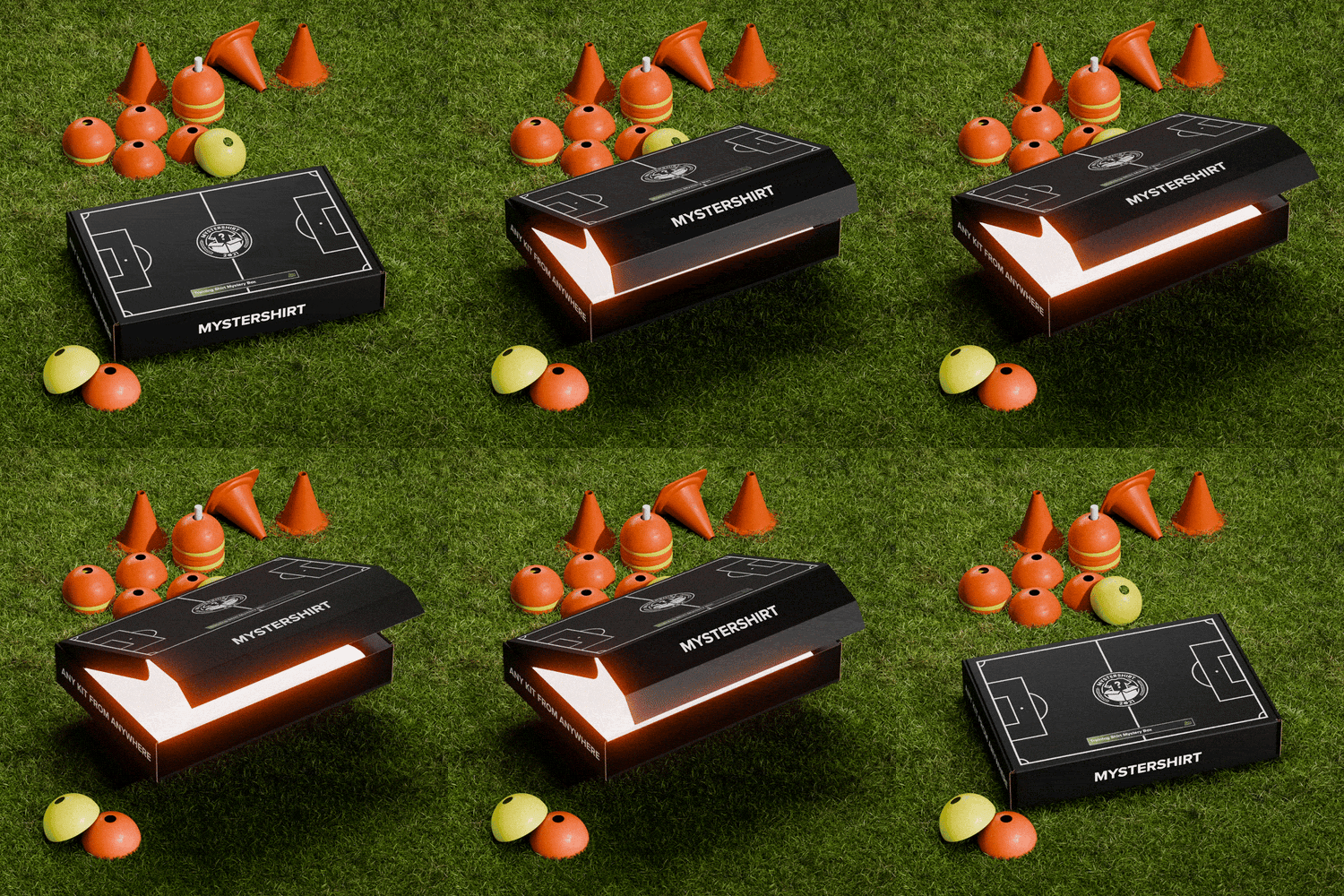
Mystery formats can also make sense for buyers who care more about receiving an authentic shirt at a lower entry cost than choosing one exact club or season. Mystershirt fits that lane. It is not the right route for someone hunting one specific current-season release, but it can be a sensible option for buyers who want real shirts and are flexible on team selection.
Before using any of these routes, watch a real unboxing and see the product in context:
Good jersey buying comes down to matching the source to the shirt tier. Official sale pages, brand outlets, licensed retailers, and carefully screened secondhand sellers all have their place. The bad deals are usually the ones with no believable reason for being cheap.
Essential Checks Before You Buy Sizing and Returns
A jersey isn't a deal if it fits badly, arrives late, or becomes impossible to return. That sounds obvious, but plenty of buyers still focus so hard on sticker price that they forget the purchase only counts when the shirt is wearable.

The hidden total cost of cheap real jerseys for international buyers, especially duties and shipping, is often under-explained. The true value depends on landed cost, delivery windows, and return policies, making fulfillment and buyer confidence as important as the sticker price, as emphasized by Soccer Wearhouse.
Sizing mistakes ruin more bargains than fakes do
Buyers often get caught by the player-versus-fan distinction. A player-spec shirt can look almost identical online and fit completely differently in person. If you treat it like your usual casual tee, you're guessing.
Use a simple pre-buy routine:
- Measure a shirt you already own: Chest width and length tell you more than the size letter ever will.
- Read the product wording carefully: “Authentic,” “player,” “match,” and “slim” should all make you double-check measurements.
- Think about how you'll wear it: Casual fit, base layer, or display piece all call for different choices.
Buy the fit for the way you'll wear the shirt, not for the fantasy of being built like a winger.
A cheap jersey is not cheap if returns are painful
A no-return policy changes the whole math. So do slow replies, vague customs terms, and unclear shipping timelines. Before paying, check these points in order:
-
Return window
If the seller allows returns, read the conditions. Personalized shirts often have tighter rules. -
Who pays return shipping
That matters more on international orders than most buyers realize. -
Delivery expectations
Some sellers move stock quickly. Others create long waits without saying so clearly. -
Duties and import handling
If the site ships across borders, find out whether charges are collected upfront or left for delivery day.
A smart buyer treats shipping policy like part of the product description. If the seller is precise about delivery, sizing, and returns, that usually reflects a more reliable operation overall. If those basics are muddy, keep scrolling.
Become a Savvy Jersey Collector Today
The buyers who consistently find cheap real soccer jerseys aren't guessing better. They're filtering better. They know that real can mean either player or fan version, they check for counterfeit signals across the whole listing, and they understand why some official shirts get discounted without becoming suspicious.
That's the shortcut. Stop chasing the cheapest shirt on the screen. Start chasing the clearest explanation for the price. A last-season replica from a trustworthy seller is often a smarter buy than a supposedly elite current-season “player version” from an account that can't describe what it's selling.
Collectors also get better results when they widen the search. Official sales, outlet stock, reputable secondhand listings, and structured mystery-box formats all have their place. The best route depends on whether you want one exact shirt, a wearable authentic bargain, or the fun of building a broader collection.
Keep the standards simple. Know the jersey tier. Trust clear seller language. Check fit before paying. Treat returns and shipping as part of the cost. Do that, and you won't need luck nearly as often.
If you want a lower-cost way to get an authentic football shirt without hunting individual listings all week, Mystershirt is one option to consider. It focuses on mystery soccer jersey boxes with authentic shirts, which can suit buyers who care more about value and authenticity than choosing one exact club in advance.